Is Galvanised Steel Roofing Right For Your Project?
Is Galvanised Steel Roofing Right For Your Project?
Whether you're constructing an agricultural building, commercial unit, workshop, garage or industrial facility, your roof needs to provide dependable weather protection and long-term value. Galvanised steel roofing has remained a popular choice for decades because it combines strength, durability and affordability in a practical roofing solution.
However, no roofing material is perfect for every application. Factors such as the building's intended use, local environment, insulation requirements, budget and expected lifespan all play an important role in determining whether galvanised steel roofing is the most suitable option. Understanding these considerations before purchasing can help you avoid costly mistakes and ensure your investment performs as expected for many years.
One of the biggest advantages of galvanised steel roofing is its versatility. Available in a variety of profiles, lengths and thicknesses, it can be adapted to suit everything from simple garden buildings through to large-scale agricultural and industrial developments. Its lightweight construction also makes transportation, handling and installation significantly easier than many alternative roofing materials.
In this guide, Sheeting Giant reveals where galvanised steel roofing performs best, exploring its advantages and potential limitations, and helping you decide whether it's the right solution for your next project. By the end, you'll have a clearer understanding of when galvanised steel roofing offers the greatest benefits and when another roofing system - such as polycarbonate sheeting, regular metal sheeting, bitumen sheeting or PVC sheeting - may be more appropriate.
What Is Galvanised Steel Roofing & How Does It Work?
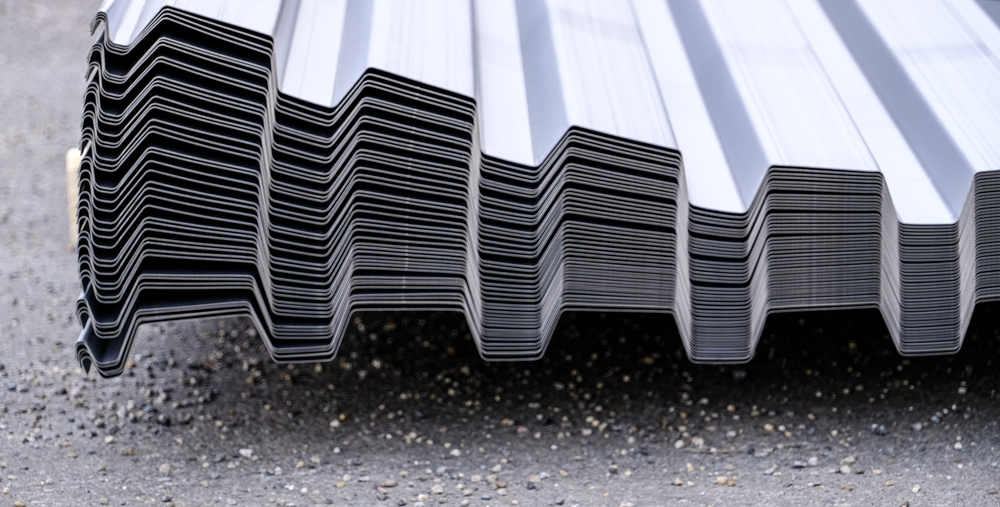
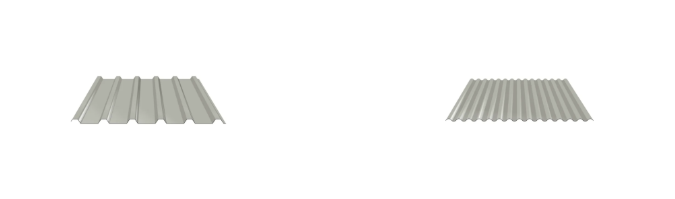
Galvanised steel roofing is manufactured by coating steel with a protective layer of zinc through a process known as galvanisation. This zinc coating acts as a sacrificial barrier, helping to protect the underlying steel from corrosion caused by rain, moisture and general exposure to the elements. The result is a roofing material that delivers excellent structural strength while offering significantly improved resistance to rust compared with untreated steel. Available at Sheeting Giant in popular profiles such as corrugated and box profile sheets, galvanised roofing is widely used across commercial, agricultural and industrial sectors where dependable performance and cost-effectiveness are essential.
When selecting galvanised steel roofing, it's useful to understand the key characteristics that make it such a popular material.
Protective zinc coating: The galvanised finish helps shield the steel from corrosion, extending the life of the roofing sheet and reducing maintenance requirements over time. Even if the surface experiences minor scratches during installation, the zinc layer continues to provide valuable protection against rust.
Wide range of different sizes: Galvanised roofing sheets are available in multiple thicknesses and can often be supplied cut to length, allowing you to minimise waste and simplify installation. Choosing the correct dimensions also helps reduce unnecessary joints across the roof.
Anti-condensation fleece: This optional backing can be applied to the underside of the sheet to absorb moisture caused by condensation, helping to reduce water drips and protect the building's contents.
Suitable for roofs and walls: Many galvanised steel sheets can be installed horizontally or vertically, making them suitable for both roofing and wall cladding applications. This allows a consistent appearance across an entire building while simplifying material selection.
Which Projects Are Best Suited To Galvanised Steel Roofing?
Galvanised steel roofing is particularly well-suited to projects where strength, reliability and value for money are more important than decorative appearance. Its excellent structural properties make it a common choice for agricultural buildings, warehouses, storage facilities, workshops, garages, factories and commercial units. As the material is lightweight, it places less load on the supporting framework, making it suitable for both new construction and refurbishment projects. The availability of custom sheet lengths also allows installers to cover large roof areas quickly, efficiently and to spec.
Before choosing galvanised roofing, consider whether your project matches the material's strengths.
Agricultural buildings: Galvanised roofing provides a practical solution for barns, livestock shelters, machinery stores and grain buildings where durability and low maintenance are key priorities. Its ability to withstand year-round weather exposure makes it particularly attractive for rural environments.
Commercial and industrial buildings: Warehouses, workshops and manufacturing facilities often benefit from galvanised roofing because it delivers excellent performance across large roof spans while remaining cost-effective. The lightweight sheets also help speed up installation on larger developments.
Garages and outbuildings: Domestic garages, storage buildings and workshops can all benefit from galvanised steel roofing where a robust and economical roof covering is required. Cut-to-length sheets also help achieve a cleaner finish with fewer overlaps.
What Are The Main Advantages Of Galvanised Steel Roofing?
The popularity of galvanised steel roofing is largely due to its ability to deliver dependable performance without excessive cost. Despite being lightweight, galvanised steel provides excellent structural strength and performs well in demanding weather conditions when installed correctly. Its relatively simple installation process can also reduce labour time compared with heavier roofing materials. For many projects, this combination of performance, practicality and affordability makes galvanised roofing an attractive long-term investment.
Some of the biggest benefits include:
Strong yet lightweight: Galvanised steel offers impressive strength while remaining considerably lighter than many traditional roofing materials. This can simplify handling on site and reduce the structural demands placed on the supporting framework.
Cost-effective roofing solution: Galvanised roofing generally provides excellent value for money, particularly on large agricultural and commercial projects where material costs can quickly accumulate. Its long service life also contributes to lower lifetime ownership costs.
Straightforward installation: Roofing sheets can usually be installed using standard roofing tools and appropriate fixings, helping experienced installers complete projects efficiently. Cut-to-length sheets can further reduce installation time by minimising the need for on-site cutting.
Low maintenance: Once installed correctly, galvanised roofing typically requires relatively little ongoing maintenance beyond periodic inspection and cleaning. This makes it particularly attractive for buildings where easy upkeep is a priority.
Are There Any Situations Where Galvanised Roofing May Not Be The Best Choice?
Although galvanised steel roofing is an excellent solution for many projects, it's important to understand its limitations before making a purchase. Buildings that require higher levels of thermal performance or improved acoustic insulation may benefit from insulated roofing systems instead. Likewise, projects where appearance is the primary consideration may be better suited to coloured plastisol coated roofing sheets that offer greater aesthetic flexibility. Selecting the most appropriate roofing material always depends on balancing performance, budget and the specific requirements of the building.
There are several situations where you may wish to consider alternative roofing solutions.
Condensation-sensitive buildings: Buildings that generate high levels of warm, humid air can experience significant condensation beneath uninsulated metal roofing. In these situations, an optional anti-condensation fleece can help manage moisture by temporarily absorbing condensation and reducing water drips. For buildings with persistently high humidity or severe condensation risk, an insulated roofing system will provide a more effective long-term solution.
Highly decorative projects: Where visual appearance is particularly important, plastisol coated roof sheets offer a wider range of attractive colours while providing additional surface protection. This can make them a popular choice for retail, commercial and residential developments.
Coastal environments: While galvanised steel provides excellent corrosion resistance in most locations, buildings situated very close to the coast may benefit from roofing materials such as plastisol or aluminium to withstand highly saline conditions in very exposed locations. Aluminium in particular is preferred in coastal locations because it is naturally far more resistant to chloride 'salt' corrosion than galvanised steel. Always consider the environmental conditions before selecting any roofing system.
How To Decide If Galvanised Steel Roofing Is Right For Your Project
The best roofing material is one that meets the practical demands of your building while delivering long-term value and reliability. Galvanised steel roofing performs exceptionally well across a wide range of agricultural, commercial and industrial applications thanks to its strength, lightweight construction and cost-effectiveness. When supplied in the correct profile, thickness and sheet length, it provides a dependable roofing solution capable of delivering decades of reliable service with relatively little maintenance. Taking the time to assess your building's requirements before purchasing will help ensure you select the most appropriate roofing system for your project.
Before placing your order, consider the following factors.
Consider how the building will be used: Storage buildings, workshops, garages and agricultural structures often benefit from galvanised roofing because durability and practicality are the primary priorities. Buildings with specialist environmental requirements may require additional insulation or condensation control measures.
Choose the correct sheet specification: Selecting the appropriate profile, thickness and length dimensions will help maximise performance while reducing installation time and material waste. Matching the roofing specification to your building is one of the most important purchasing decisions you'll make.
Don't overlook accessories:Quality fixings, flashings, foam fillers and ridge components are just as important as the roofing sheets themselves. Choosing compatible accessories helps create a weather-resistant roofing system that performs reliably for many years.
Think about long-term value: While the initial purchase price is important, consider maintenance requirements, expected lifespan and installation costs when comparing roofing materials. In many cases, galvanised steel roofing offers an excellent balance between upfront affordability and long-term performance.